
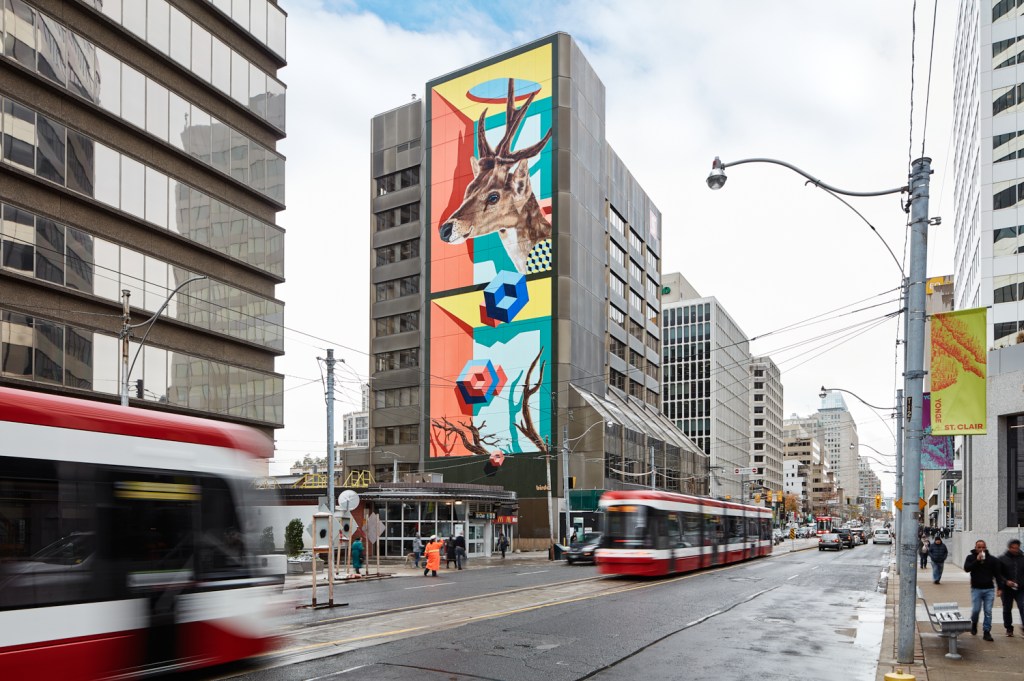
Canada has quietly become one of the world’s great homes for muralist art. From small coastal towns to prairie cities, talented artists from across the globe are transforming ordinary streets into open-air galleries — places that draw in thousands of people, including those who would never set foot in a conventional museum.
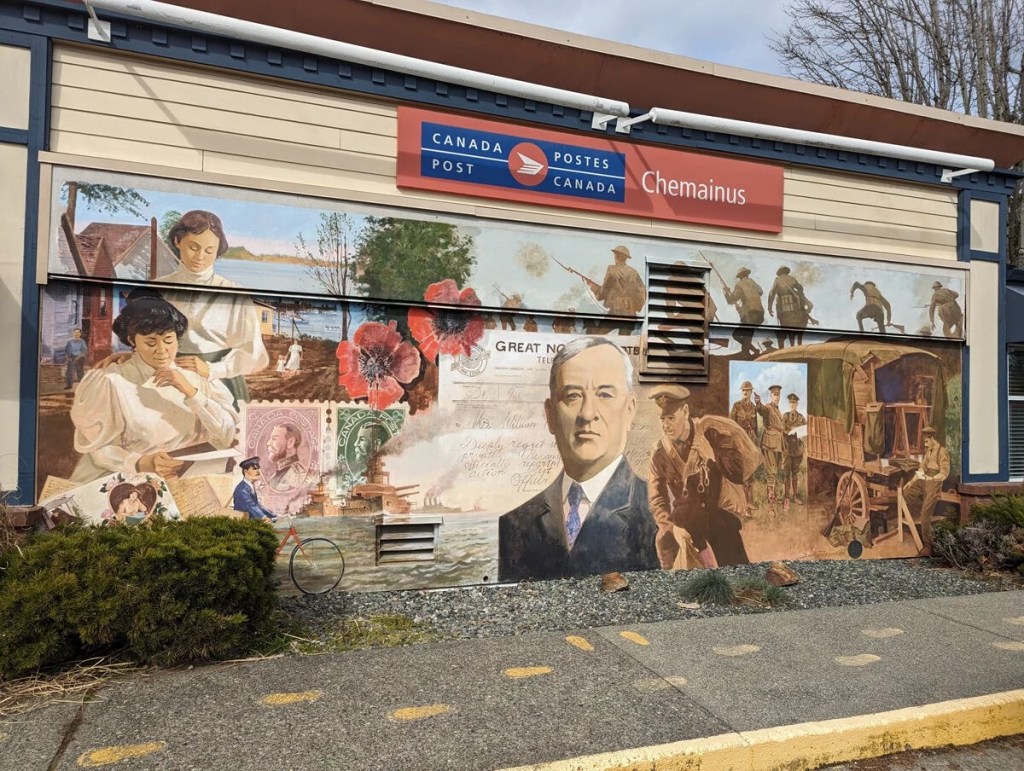
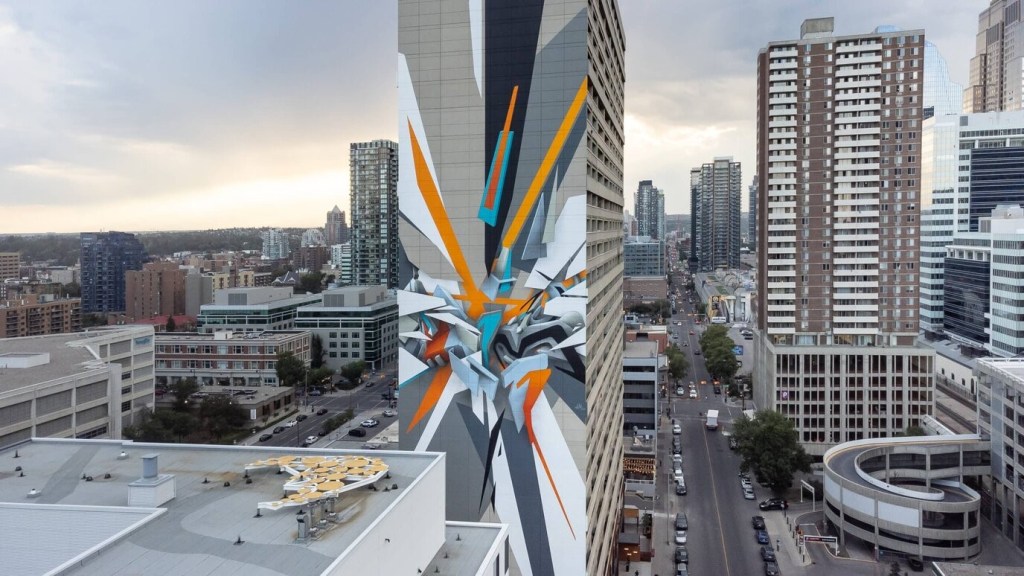
Some of these destinations have become landmarks in their own right. On Vancouver Island, the town of Chemainus — self-styled the Mural Capital of Canada — tells its history of resilience and reinvention through more than 70 murals and sculptures spread across its streets. In Calgary, German graffiti artist DAIM, working alongside three local collaborators, completed what is now the world’s tallest mural in 2022: a staggering 310-foot work that redefines what a building façade can be.
These are not isolated gestures. Murals have become a genuine instrument of modern architecture — one capable of transforming neglected structures, revitalizing entire neighbourhoods, and anchoring cultural identity in physical space.
Two Approaches, Three Goals
Murals currently enter the built environment in two ways: spontaneously, applied to existing free surfaces, or deliberately, with dedicated wall space planned at the architectural design stage. The second approach, though less common, is far more powerful — and far more worth developing.
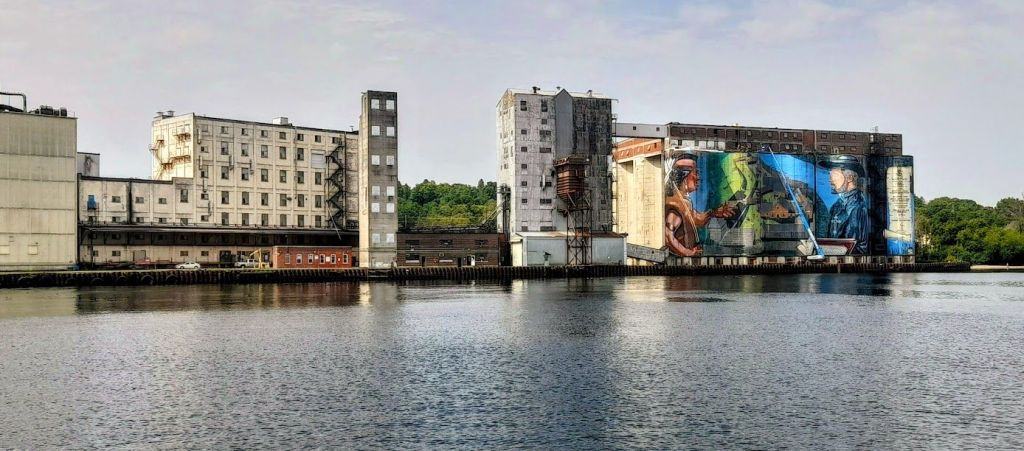
The goals murals serve fall into three broad categories. The first is restoration: giving unremarkable or aging buildings a new visual life, and giving the people who live near them renewed pride in their surroundings. The second is cultural access — murals function as open-air museums, bringing art to people regardless of income, background, or inclination. They can encode history, honour community figures, and make the past legible in the present. The third goal is more utilitarian: murals can serve business, combining aesthetic impact with identity in the way that cinema advertising has long understood.
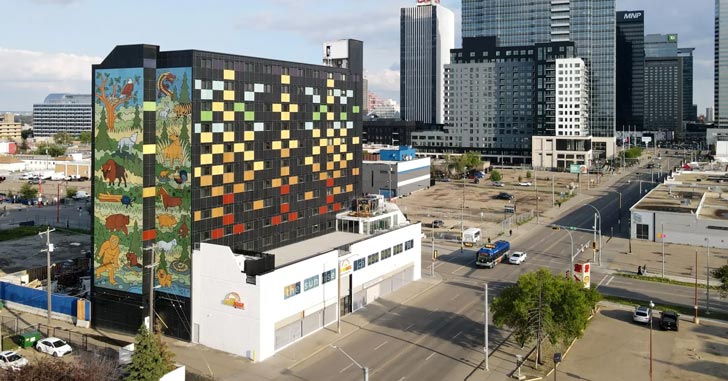
A Methodology Worth Building
Canada already runs programs that invite artists from around the world to create murals in its cities. But invitation alone is not enough. What’s needed is a more deliberate methodology — one that treats murals the way urban planners treat public squares: as strategic interventions, not afterthoughts.
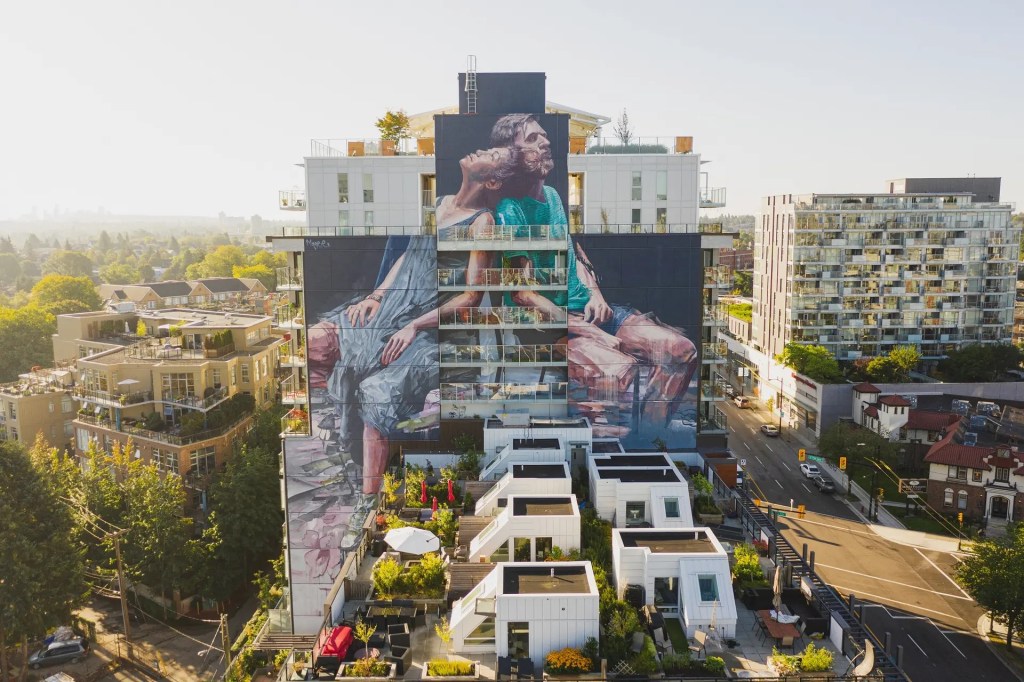
The first step is careful site selection. Not every blank wall is the right wall. The most effective murals anchor tourist routes, emotionally intensify a neighbourhood’s character, and create what might be called cultural gravity — a reason to stop, look, and linger. Once the right locations are identified, a directional brief should follow: what story does this area tell? What palette or subject matter would serve it best?
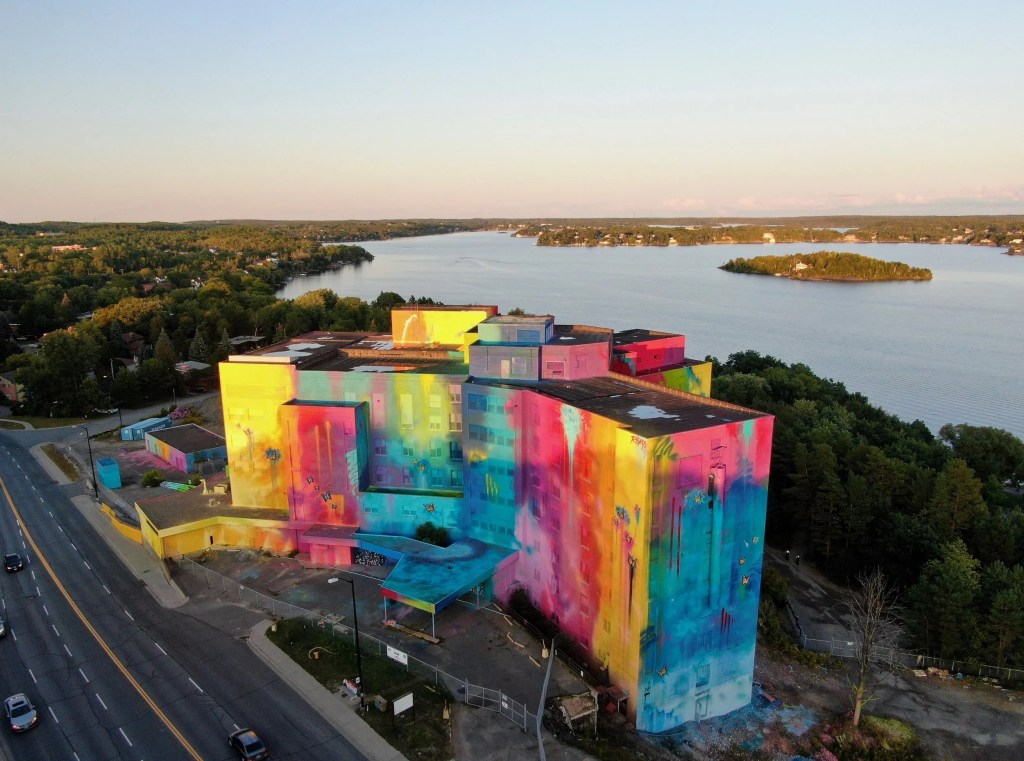
From there, open international competitions offer the most promising path forward. Inviting artists to respond to a specific place with a specific brief — and committing to actually realise the winning work — transforms mural-making from decoration into civic dialogue.
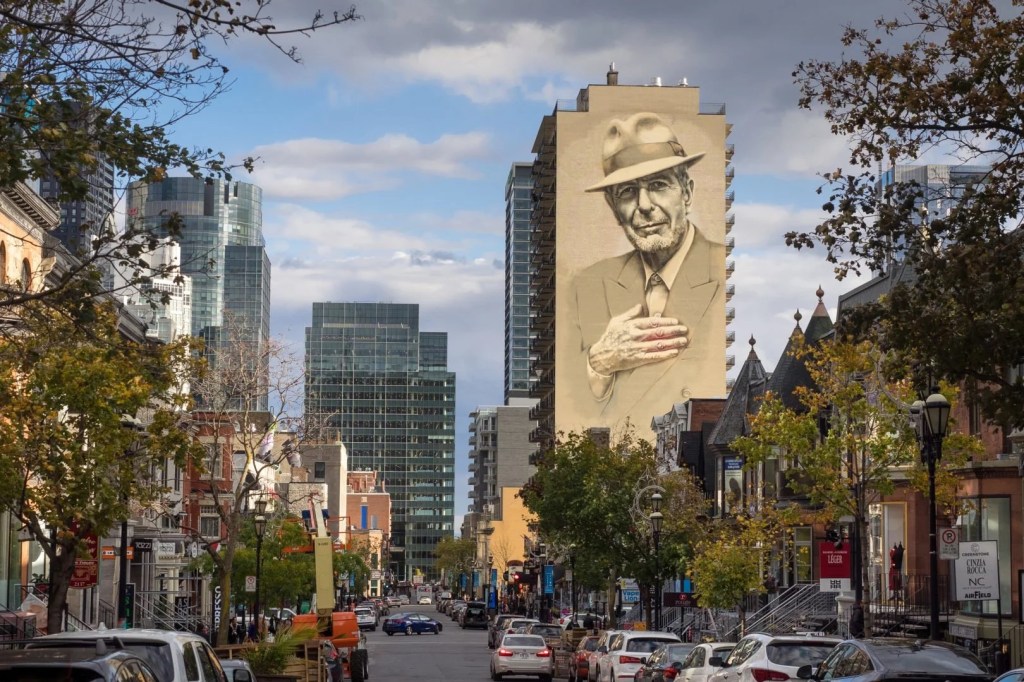
An Accent Worth Taking Seriously
Murals are not supplementary to modern architecture. At their best, they are architecture — shaping how we experience a building, a block, a city. When placed thoughtfully, they become anchors: for tourists, for residents, for the collective memory of a place. The difference between a mural that merely exists and one that genuinely transforms lies entirely in the intention behind it. Canada already has the artists. What it needs now is the method.
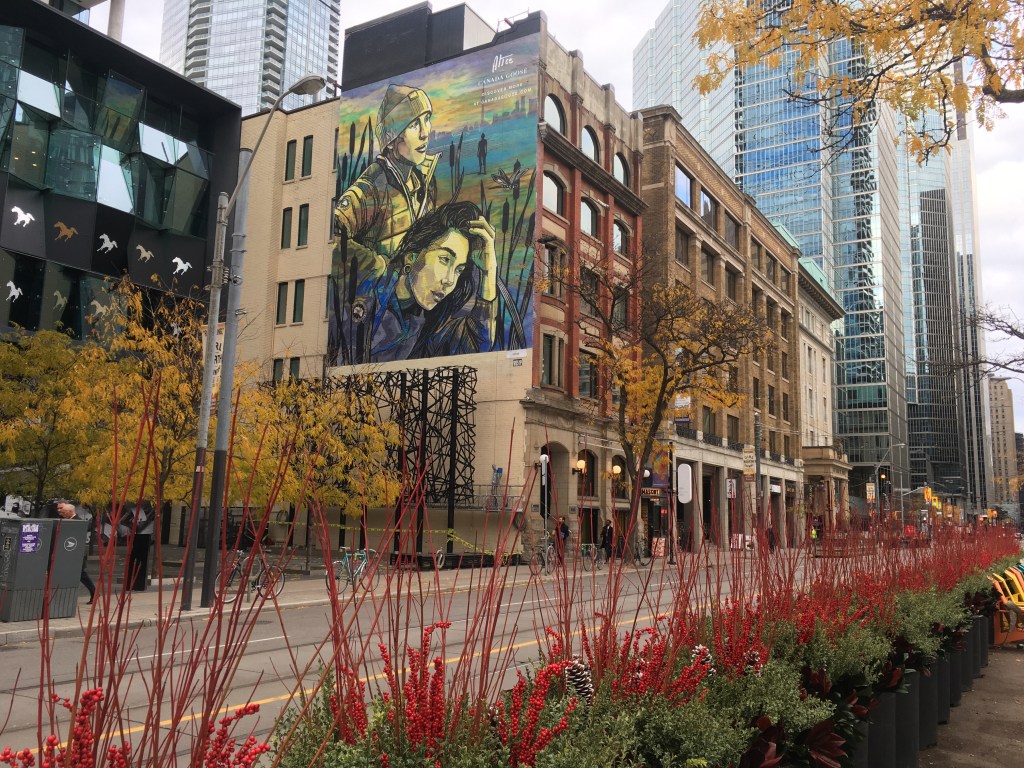
 Architecture & Interior E-design, conceptual projects.